Landscapes Designed Around Regional Conditions
Specialty & Sustainable Landscape Solutions in Georgetown for properties facing erosion, high water costs, drainage failures, or maintenance-intensive plantings
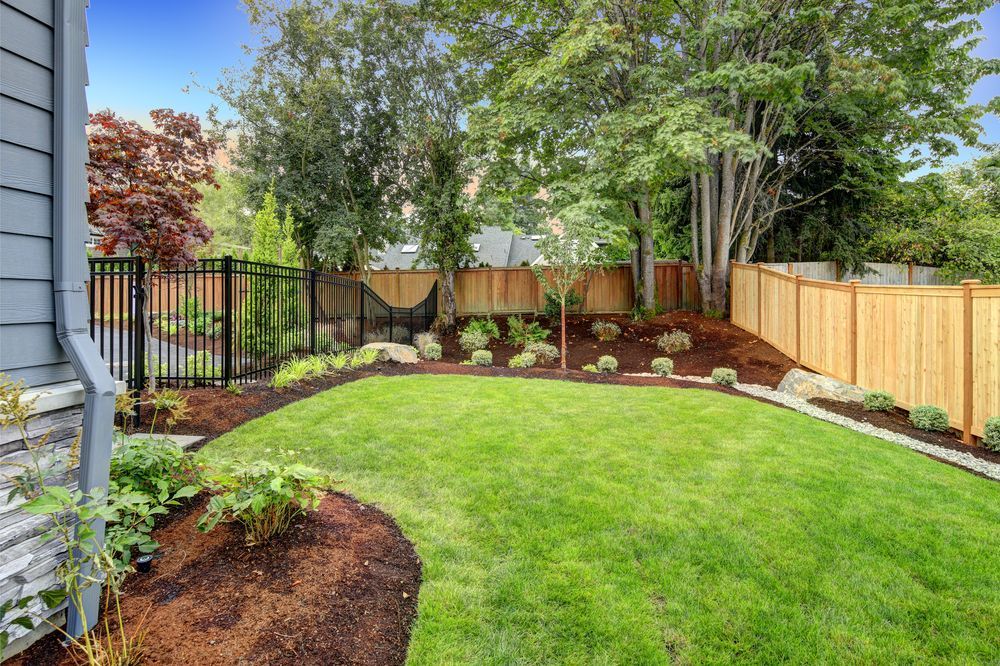
Central Texas properties face erosion on slopes during heavy rain, high irrigation costs from non-native plantings that demand constant water, and drainage problems that create standing water or foundation concerns. Specialty landscape solutions address these challenges through xeriscaping that reduces water dependency, native plant installations that thrive without supplemental irrigation once established, erosion control strategies that stabilize slopes, drainage improvements that redirect runoff, and landscape lighting that extends usable outdoor space after dark. After implementation, you'll notice lower water bills, reduced maintenance requirements, and outdoor areas that function properly regardless of weather extremes.
Sustainable planning involves selecting plants adapted to local soil and climate, designing irrigation systems that deliver water only where and when needed, and incorporating hardscape elements that reduce the need for mowing, fertilizing, and chemical applications. Environmentally responsible practices support attractive outdoor spaces while minimizing inputs and long-term costs.
Discuss customized specialty landscape solutions with our team to identify strategies that align with your property's specific conditions and your maintenance preferences.
How Sustainable Design Reduces Long-Term Demands
Xeriscaping replaces high-water turf with drought-tolerant groundcovers, ornamental grasses, and succulents that survive on rainfall alone after establishment. Native plant installations use species like Texas sage, blackfoot daisy, and Turk's cap that evolved in local conditions and require no fertilizer or pest control once root systems mature. Erosion control uses terracing, retaining walls, or plant material with dense root systems that anchor soil on slopes where runoff previously carved channels and exposed subsoil.
You'll see reduced irrigation run times, elimination of bare spots caused by stressed plants that couldn't tolerate heat or drought, and fewer pest problems because native plants support beneficial insects that control damaging species naturally. Drainage improvements prevent water from pooling near foundations or washing mulch and soil onto driveways during storms, protecting both the landscape and the structure.
Landscape lighting highlights architectural features, improves safety along walkways and steps, and extends the usability of patios and seating areas into evening hours. Sustainable solutions are tailored to each property based on sun exposure, soil type, existing vegetation, and client goals, ensuring the design complements the site rather than fighting against it. Pinkley Landscaping LLC evaluates current conditions and recommends strategies that reduce maintenance while supporting the outdoor spaces you actually use.
Answers to Frequent Service Questions
Specialty and sustainable landscape solutions address recurring problems that standard approaches don't resolve.
What is xeriscaping?
Xeriscaping is a landscape approach that minimizes water use through drought-tolerant plant selection, efficient irrigation design, mulch application, and reduced turf coverage in areas where grass struggles.
How do native plants reduce maintenance in Georgetown?
Native plants adapted to Central Texas require no fertilizer, tolerate heat and drought once established, resist local pests, and don't need replacement after seasonal temperature swings that kill non-adapted species.
What drainage improvements prevent foundation problems?
Drainage improvements include grading adjustments that direct water away from structures, installation of French drains or dry creek beds that channel runoff, and swales that slow water movement and increase absorption.
Why does erosion happen on slopes?
Erosion occurs when rain falls faster than soil can absorb it, especially on compacted clay or slopes with insufficient plant cover to anchor soil and slow runoff velocity.
What type of landscape lighting works best?
Low-voltage LED systems provide energy-efficient illumination, and placement focuses on safety along paths and accent lighting for trees, architectural details, or water features without creating glare.
Pinkley Landscaping LLC designs specialty landscape solutions that respond to the conditions already present on your property rather than forcing generic approaches that require constant intervention. Set up a consultation to review your site and explore sustainable options that reduce costs and maintenance over time.