Planting Beds Built for Long-Term Function
Bed Renovation & Enhancement in Georgetown for aging beds showing poor drainage, compacted soil, eroded edging, or outdated plant selections
Aging planting beds develop visible problems over time: mulch that washes away during heavy rain, soil that hardens and repels water, undefined edges where turf encroaches into beds, and plants that no longer thrive due to declining soil quality or mismatched growing conditions. Renovation addresses these issues by removing compacted soil, installing proper edging to maintain separation between turf and beds, amending soil to restore drainage and nutrient availability, and selecting updated plant material suited to current light and moisture conditions. Once completed, beds drain efficiently after storms, plants establish faster with healthier root development, and maintenance requirements decrease because the foundation supports long-term growth.
Soil improvement involves incorporating organic matter that loosens compacted clay common in Central Texas, adjusting pH when necessary, and ensuring proper grade so water moves through beds rather than pooling or running off before it can absorb. Edging creates a physical barrier that prevents turf roots from invading planting areas and defines clean lines that simplify mowing and trimming.
Request a free landscape assessment to evaluate your current bed conditions and discuss redesign options that improve both function and appearance.
What Proper Bed Preparation Accomplishes
Bed renovation starts with removing failing plants, stripping old mulch that has decomposed into compacted layers, and loosening soil to the depth where roots will grow. Edging installation creates a defined border using metal, stone, or concrete that holds its shape through freeze-thaw cycles and prevents erosion during runoff events. Plant selections are matched to sun exposure, soil moisture, and mature size to avoid overcrowding and the need for constant pruning.
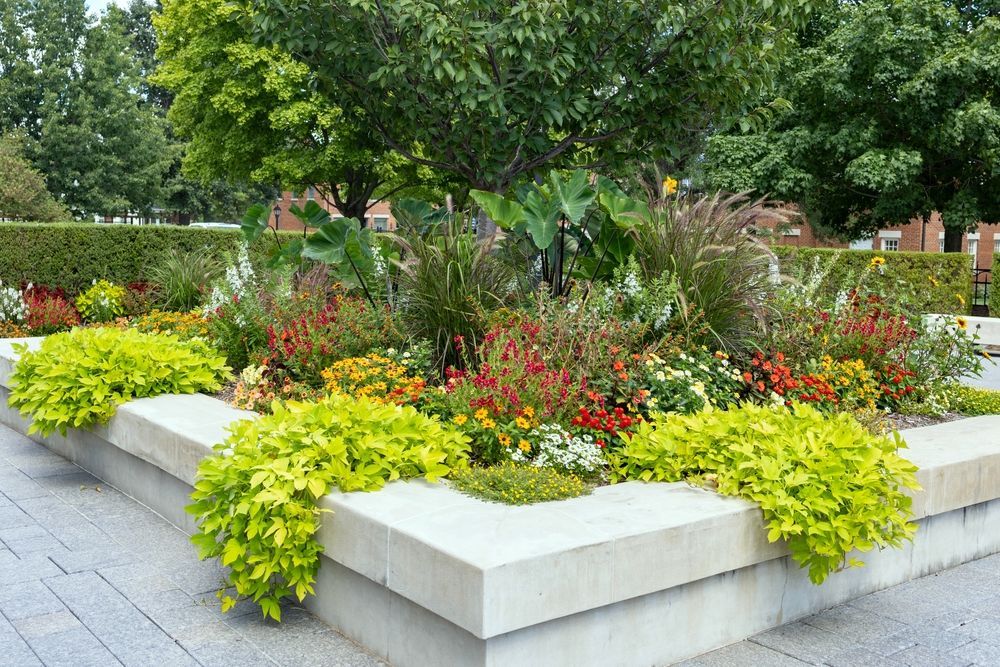
After renovation, you'll see improved water infiltration that eliminates standing water and reduces irrigation needs, mulch that stays in place rather than washing onto hardscapes, and plants that grow vigorously without the stunted appearance caused by poor soil conditions. Beds complement the property's overall design rather than appearing as neglected afterthoughts that detract from curb appeal.
Redesign may involve expanding bed areas to reduce turf coverage in difficult-to-mow zones, adding texture and color through layered plant arrangements, or incorporating hardscape elements like decorative stone that reduces maintenance. Pinkley Landscaping LLC evaluates drainage patterns, sun angles, and existing site conditions before finalizing plant placement and bed layout, ensuring the design works with the property rather than against it.
What Property Owners Usually Ask
Bed renovation improves both immediate appearance and long-term landscape health when done correctly.
What causes poor drainage in planting beds?
Poor drainage results from compacted clay soil that sheds water, improper grading that directs runoff into beds rather than away from them, and decomposed mulch layers that form a water-resistant crust on the soil surface.
How does soil improvement help plants grow?
Soil improvement increases pore space for root growth, enhances microbial activity that makes nutrients available, and improves water infiltration so roots receive moisture without sitting in saturated conditions that cause rot.
What type of edging lasts longest in Georgetown?
Metal edging resists shifting and maintains clean lines through freeze-thaw cycles and heavy rain, while stone or concrete edging adds visual weight and works well in formal landscape designs.
How is plant selection determined?
Plant selection considers mature size, water requirements, sun tolerance, bloom time, and growth habit to ensure compatibility with the site and minimal long-term maintenance.
What is included in bed enhancement?
Enhancement includes edging installation or repair, mulch application at proper depth, soil amendment to restore structure and fertility, and updated plant material chosen to thrive in existing light and moisture conditions.
Refreshed landscape beds improve property value and reduce the time spent managing problem areas that never perform as intended. Pinkley Landscaping LLC provides renovation services that address the root causes of bed failure rather than applying surface fixes that fail within a season. Schedule a consultation to review your landscape and explore renovation options tailored to your property.