
Plans That Address Drainage Before Planting Begins
Landscape Design & Site Planning in Georgetown for properties needing coordinated layout before installation starts
Pinkley Landscaping LLC develops landscape designs by evaluating your property's drainage patterns, soil conditions, and existing layout before recommending any plantings or structures. This site-first approach identifies where water flows during heavy rain, which areas receive full sun or shade throughout the day, and how hardscape features should be positioned to support long-term functionality. Properties in Georgetown benefit from designs that account for Central Texas clay soils, seasonal drought, and the need for outdoor spaces that remain usable year-round.
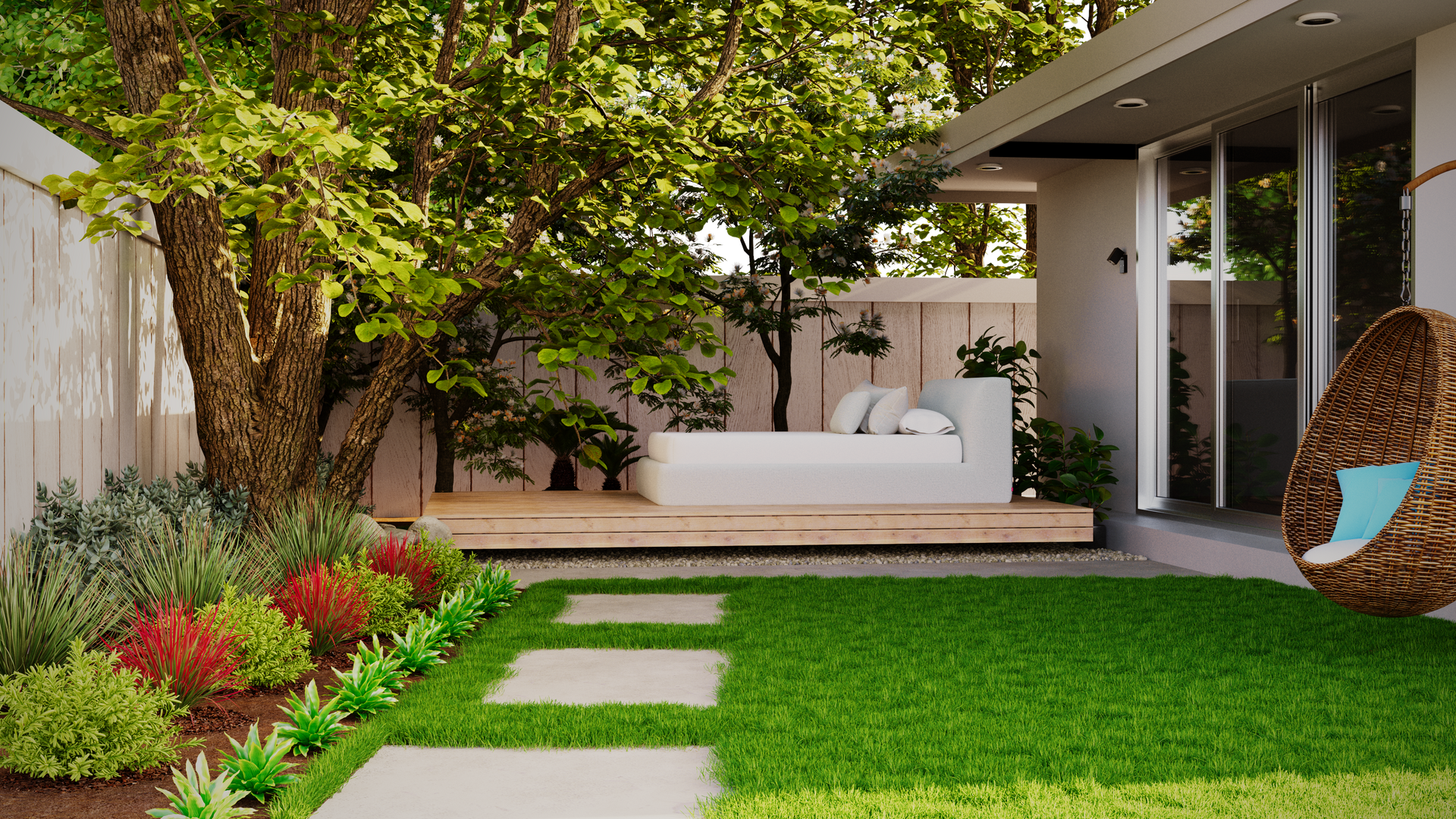
The design process combines softscape elements like tree placement and planting beds with hardscape features such as patios and walkways, ensuring that each component supports the others rather than creating conflicts during installation. Planning both elements together prevents issues like plants blocking drainage paths or retaining walls placed where roots will eventually cause shifting.
Schedule a free design consultation to review your property's layout and discuss how site conditions affect your landscape options.
How Planning Both Elements Together Prevents Future Problems
Site evaluation begins with identifying natural drainage channels and slope direction, which determines where water should be directed away from foundations and hardscape surfaces. If your property has areas where water pools after storms, the design incorporates grading adjustments or drainage solutions before any planting or construction begins, preventing erosion and foundation concerns that emerge when landscaping redirects water incorrectly.
Once the design is complete, you receive a layout that shows exactly where trees will be positioned to provide shade without interfering with underground utilities, where planting beds will enhance curb appeal without blocking sightlines, and how walkways connect functional areas while complementing the overall appearance. The plan also specifies plant selections suited to Central Texas heat and soil conditions, reducing the need for ongoing replacements.
Designs include recommendations for irrigation coverage, seasonal color rotation, and maintenance requirements so you understand what each area will need after installation. This planning phase addresses potential conflicts before any digging starts, saving time and cost during the installation phase.
What Homeowners Ask About the Design Process
Questions about landscape planning often focus on how site conditions affect what can be installed and what the design will include.
What happens during the initial site evaluation?
The evaluation includes walking the property to assess drainage flow, sun exposure throughout the day, existing soil conditions, and how you currently use outdoor spaces, which informs plant selection and hardscape placement.
How does the design account for Georgetown's clay soil?
Plant selections prioritize species that tolerate heavy clay and periodic drought, while hardscape base preparation includes proper drainage layers to prevent settling caused by soil expansion and contraction.
What is included in the landscape plan?
You receive a scaled drawing showing plant locations, hardscape features, drainage solutions, and material specifications, along with a project estimate that breaks down costs by area.
How long does the design process take?
Most residential designs are completed within one to two weeks after the site visit, depending on property size and the complexity of drainage or grading considerations.
Can the design be installed in phases?
Plans are structured so that drainage and hardscape elements can be completed first, followed by planting beds and turf installation as budget allows, without requiring later modifications.
Pinkley Landscaping LLC provides design consultations at no cost, allowing you to understand your property's potential before committing to installation. Contact us to arrange a site visit and discuss how proper planning improves both appearance and long-term performance.